On the Brink: What a Hearts Title Would Mean for Scottish Football
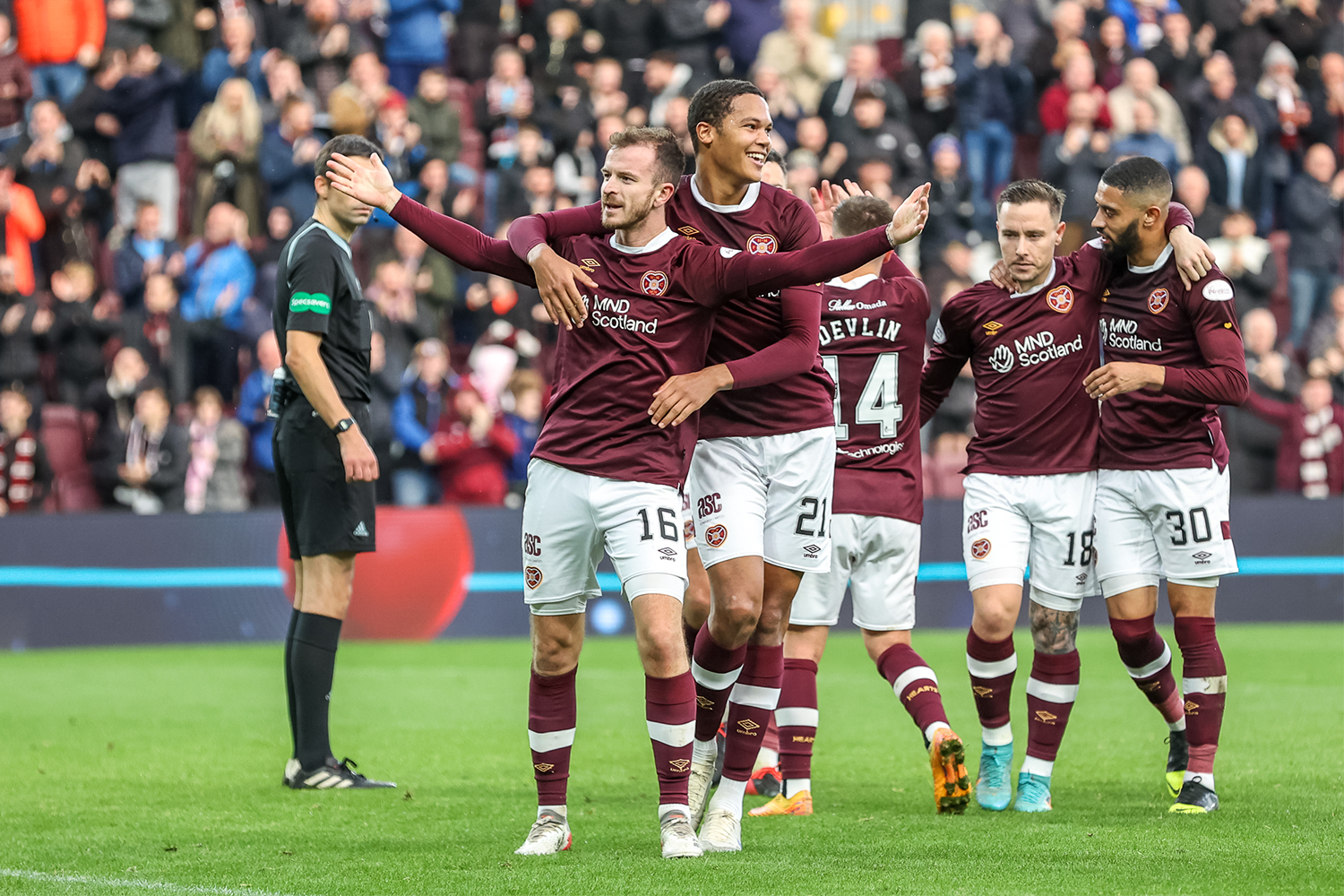
For more than four decades, the Scottish Premiership has basically belonged to Glasgow. Celtic and Rangers haven’t just dominated — they’ve used European qualification to keep widening the financial gap between themselves and everyone else. It’s been a cycle that feels almost impossible to break. But this season, Hearts are seriously threatening to disrupt that order.
After finishing third last season, expectations at Tynecastle weren’t exactly sky-high. The gap to the Old Firm still looked massive, especially financially. Then came the significant shift: Tony Bloom buying a minority stake in the club. Known for Brighton’s success with data-driven recruitment, Bloom brought a more innovative, more analytical model. It’s not about trying to outspend Celtic and Rangers — that’s unrealistic. It’s about outthinking them.
With a squad valued at around €22 million — compared to the €100 million-plus squads of the Old Firm — Hearts have relied on structure, efficiency, and consistency. And it’s worked. As we head into the final stretch of the season, they’re sitting top of the table.
If Hearts go on to win the title, this isn’t just a fairytale. It actually changes things.
For years, Celtic and Rangers have reinforced their dominance with European money. Champions League and Europa League qualification bring in millions, which allows them to keep strengthening and stay ahead. If Hearts finish first, one of the two is likely to miss out on that income. That financial advantage weakens — even if only slightly. At the same time, Hearts would gain access to that revenue themselves, giving them a platform to build further. The gap wouldn’t vanish overnight, but it would shrink. And more importantly, it would show that it can shrink.
The Leicester comparison is obvious. Leicester’s 2016 title was incredible, but it didn’t last. The difference here is that Hearts’ rise feels more structured. Bloom’s model is built on a long-term process, not short-term risk. And unlike Leicester, Hearts aren’t constantly battling Europe’s superpowers for their best players.
So is this just a one-season story, or the start of something bigger?
If Hearts lift the trophy, it won’t just end a duopoly for a year. It’ll prove that Scottish football isn’t as locked in as everyone assumes. And that alone could change everything.
Great analysis!
ReplyDelete